
Spring is just around the corner, and while warmer weather, longer days and blooming flowers are something to look forward to, there’s one thing many Australians could do without: pollen season.
For people who experience hay fever, allergies or pollen-related asthma, spring can mean sneezing, itchy eyes, a runny nose and feeling generally uncomfortable.
And while you can’t control the pollen outside, there are simple things you can do to help reduce pollen exposure inside your home.
Get your home ready for pollen season.
Staying informed about pollen levels can be a helpful part of managing seasonal allergies and planning your day.
AirHealth provides pollen, air quality and environmental health information, while the AirRater app makes it easy to check local conditions, view forecasts and keep track of changes in the air around you.
Check the latest pollen forecast on our website or download the AirRater app to stay informed throughout pollen season.
When is pollen season in Australia?
Pollen season can vary depending on where you live and the type of plants releasing pollen.
In many parts of Australia, spring and early summer are the main grass pollen seasons, with pollen levels often increasing from September onwards.
Trees and weeds can also release pollen at different times of the year, meaning allergy symptoms aren't always limited to spring.
If pollen is one of your triggers, keeping an eye on local pollen forecasts can help you prepare for days when levels are high.
How does pollen get inside your home?
Pollen is tiny and easily carried around.
It can enter your home through open windows and doors, settle on clothing and hair after you've been outside, and be carried inside on shoes and pets.
Once indoors, pollen can settle on furniture, floors and other surfaces, while some particles remain suspended in the air.
This is where creating an allergy-friendly home can make a difference.
5 simple ways to reduce pollen inside your home
1. Check the pollen forecast
If you know pollen affects you, keep an eye on local pollen levels, particularly during spring.
On high-pollen days, you may want to limit your exposure outdoors and take extra care when bringing pollen back into your home.
2. Keep windows closed when pollen levels are high
Opening the windows is a great way to bring fresh air into your home but not when the outdoor air is full of pollen.
If pollen levels are high, keeping windows and doors closed can help reduce the amount of pollen entering your home. Ausclimate also recommends keeping windows and doors closed when outdoor allergens such as pollen are high.
3. Change clothes after being outdoors
Pollen can stick to your clothes and hair.
If you've been outside for an extended period, changing your clothes and having a shower can help reduce the amount of pollen you bring inside.
It's a simple habit that can make a difference during peak pollen season.
4. Keep your home clean
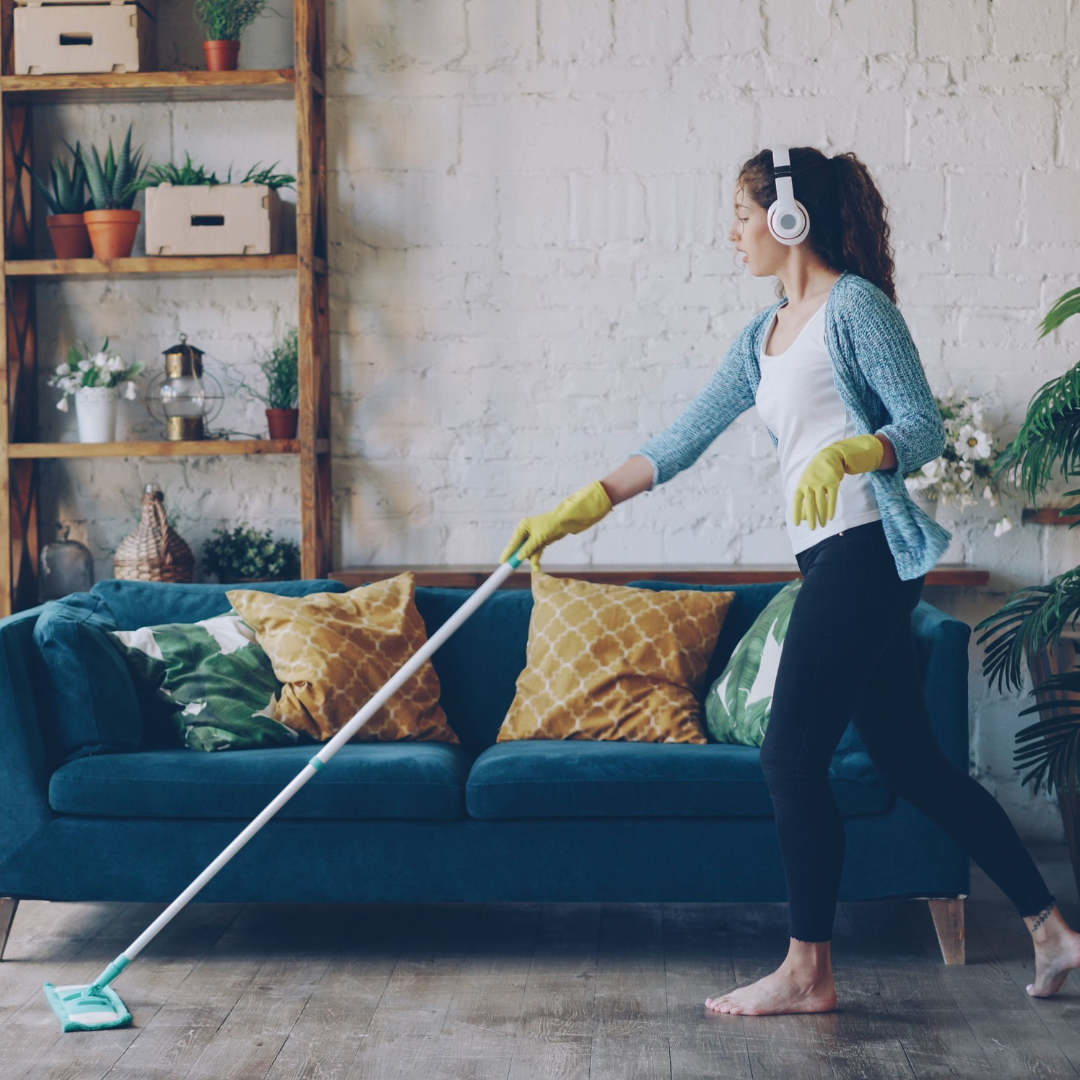
Regular cleaning can help reduce the amount of dust and allergens around your home.
Vacuum floors and carpets regularly, dust surfaces and wash bedding frequently.
And don't forget your pets as pollen can also hitch a ride indoors on their fur.
5. Use an air purifier
You can’t stop pollen from being produced outside, but you can take steps to manage airborne particles inside your home.
A True HEPA air purifier can capture fine airborne particles, including pollen, dust, mould spores and pet dander.
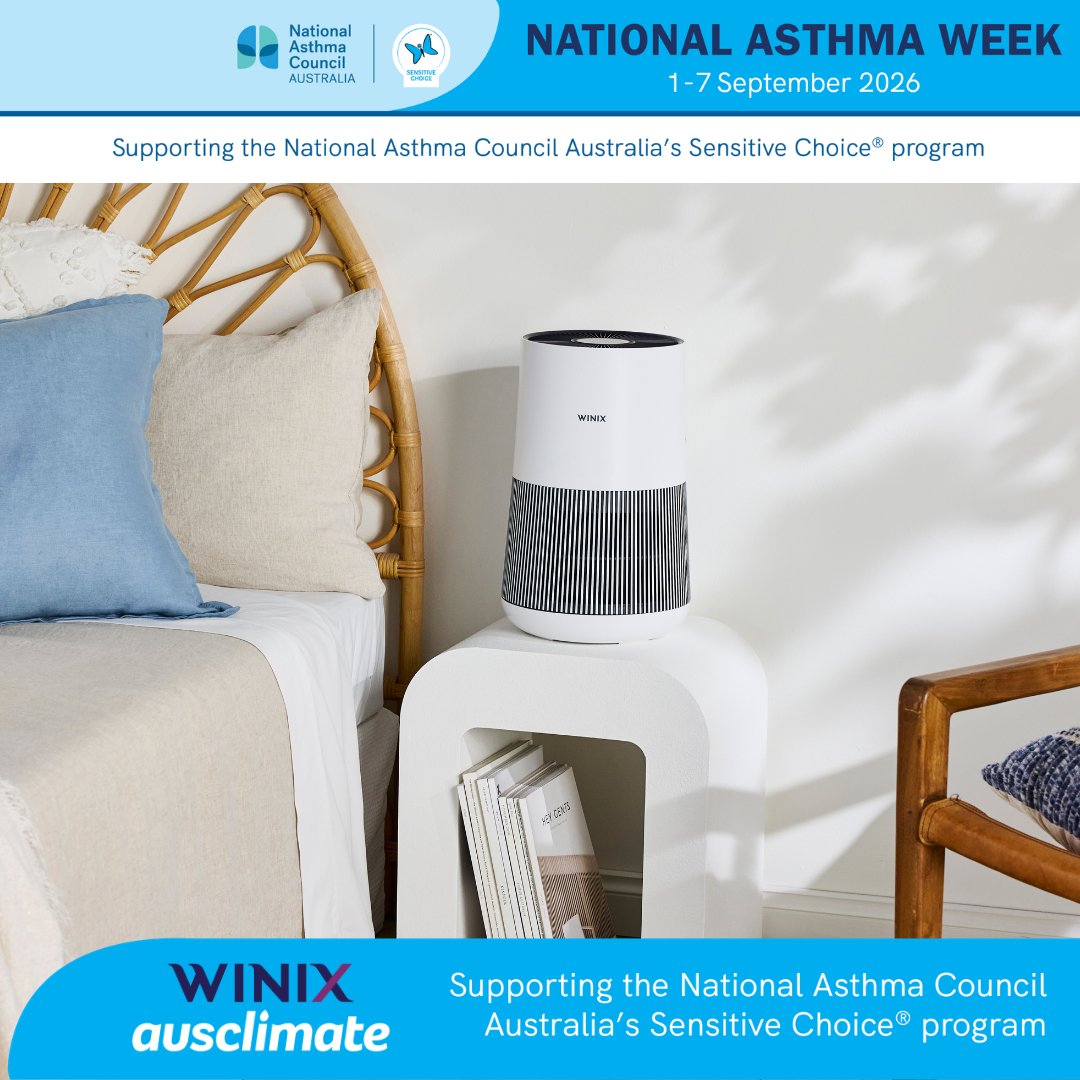
Ausclimate's Winix Air Purifiers use True HEPA filtration and are designed to remove airborne pollutants and allergens, including seasonal pollen.
Why use an air purifier during pollen season?
When pollen levels are high, keeping your windows closed is one way to reduce the amount entering your home.
An air purifier can then help filter the air inside.
For the best results, place your air purifier in the rooms where you spend the most time, such as the bedroom, living room or home office. Ausclimate recommends running air purifiers continuously for maximum air-cleaning efficiency, although they can also be used specifically in occupied rooms.
Looking for an air purifier for pollen?
Ausclimate has a range of Winix Air Purifiers designed for different room sizes and needs.
From compact models suitable for bedrooms and smaller rooms to more powerful options for large open-plan spaces, there’s an option to suit your home.
The Winix range uses True HEPA filtration to capture airborne particles such as pollen, dust, mould spores and pet dander.
Our recomendations:
- ZERO+ 360 5-Stage Smart Air Purifier with PET Filter
- Winix All-in-One 5-Stage Air Purifier
- Winix Compact 360 5-Stage Air Purifier
What about humidity and mould?
Pollen isn't the only allergen worth thinking about at home.
Humidity can also affect your indoor environment. Excess moisture can contribute to mould growth, while dust mites thrive in humid conditions.
If your home experiences condensation, dampness or high humidity, a dehumidifier can help remove excess moisture from the air.
Ausclimate offers a range of dehumidifiers to help manage humidity levels throughout the home.
Our recommendations:
This spring, breathe easier at home with Ausclimate.
Please note: Air purifiers and dehumidifiers are not a treatment or cure for allergies or asthma. If you experience ongoing or severe symptoms, speak with your healthcare professional and follow their advice.

Leave a comment
This site is protected by hCaptcha and the hCaptcha Privacy Policy and Terms of Service apply.