
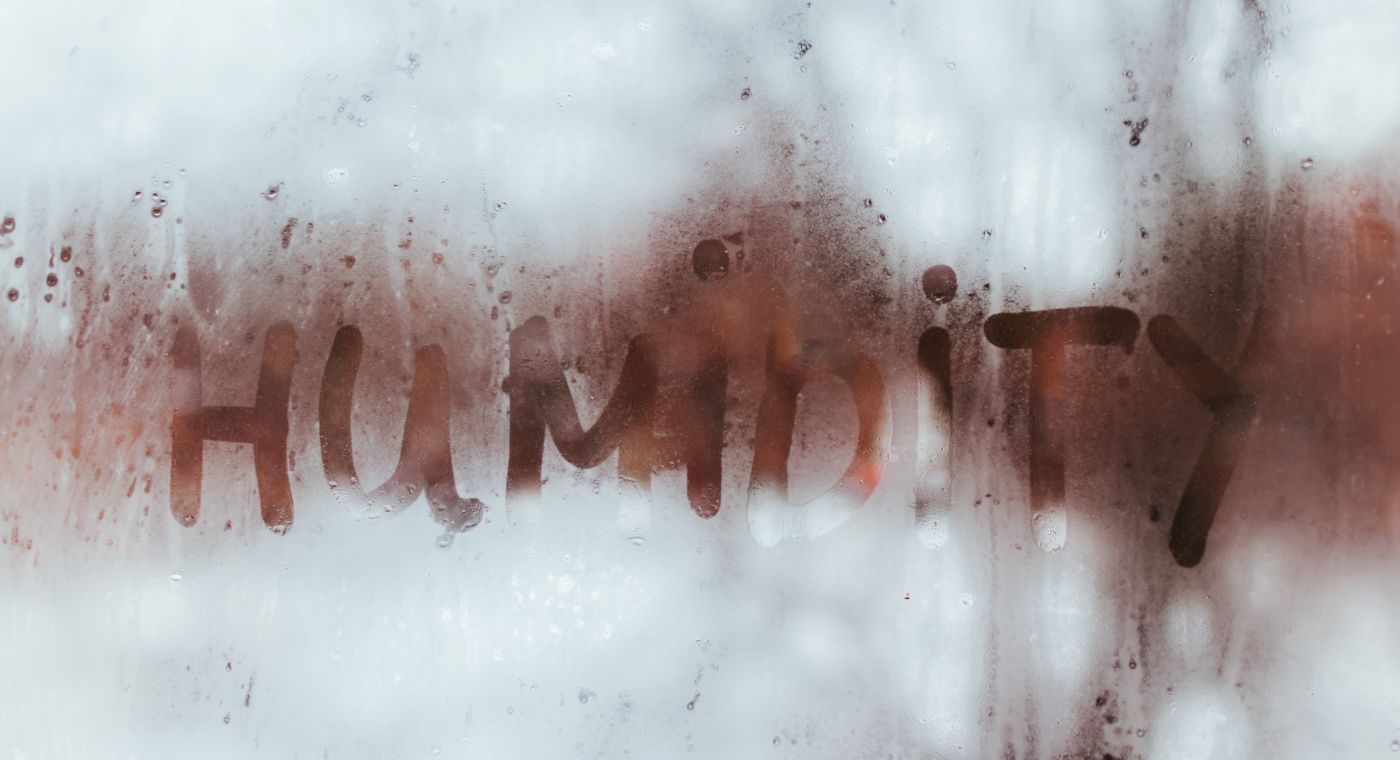
If your home often feels sticky or clammy, you’re not alone. Dampness is a widespread issue throughout Australia and New Zealand, particularly in coastal areas, older houses, and during seasonal weather shifts. So, what’s behind that uncomfortable feeling, and what can you do to combat it?
Let’s explore the science of humidity, why it accumulates in our homes, and how you can keep your living space dry, healthy, and comfortable.
What Is Humidity?
Humidity refers to the amount of water vapours present in the air. When humidity levels rise, typically above 60%, the air can feel heavy, sticky, and difficult to breathe. This excess moisture can settle on your walls, windows, furniture, and even inside your wardrobe. Ideally, indoor humidity should be maintained between 40–60%.
Why Do Homes in Australia and New Zealand Feel Damp?
The local climate plays a significant role, but everyday habits and modern construction practices also contribute to the problem.
1. Outdoor Climate & Weather
Both Australia and New Zealand experience humid conditions, especially in:
- Coastal regions
- Rainy seasons
- Warm northern areas
When moist outdoor air enters your home, it brings that humidity with it.
2. Poor Ventilation
Today’s homes are often tightly sealed for energy efficiency, which can trap moisture inside. Common daily activities like:
- Cooking
- Showering
- Drying clothes indoors
- Breathing at night
all add liters of moisture to the air each day. Without adequate airflow, this moisture has nowhere to escape.
3. Temperature Differences
Cold surfaces plus warm air equal condensation. This is why you often see water collect on:
- Windows
- Bathroom mirrors
- Wardrobe walls
- Corners of rooms
Condensation is a clear indicator that your home is holding more moisture than it should.
4. Rising Damp or Leaks
In older homes, poor insulation or hidden leaks can introduce extra moisture into walls and flooring. Common signs include:
- Musty smells
- Mould patches
- Damp carpet edges
- Peeling paint
Signs Your Home Has Excess Humidity
You might be experiencing dampness if you notice:
- Condensation on windows
- Musty odors in rooms
- Mould on walls, ceilings, or wardrobes
- Clothes that stay damp or smell “off”
- Bedding that feels cold or wet
- Allergies, asthma, or breathing issues
- Swollen timber (like doors that stick)
If your home just doesn't feel fresh, humidity is often the culprit.
Why Damp Homes Are a Concern
Excess moisture doesn't just feel uncomfortable; it can also impact your home, belongings, and health.
Potential issues include:
Damage to your home:
- Mould growth
- Wood rot
- Peeling paint
- Swollen doors and frames
Health problems
- Mould spores can induce asthma
- Allergies
- Skin irritations
- Headaches
- Respiratory issues
Damage to belongings
- Mouldy clothing and shoes
- Furniture absorbing moisture
- Internal corrosion of electronics
How to Fix Dampness in Your Home
The good news is that dampness can be tackled effectively. Here are some practical steps that make a big difference:
1. Improve Ventilation
- Open windows strategically to let fresh air circulate
- Use exhaust fans in the bathroom and kitchen
- Avoid drying clothes indoors when possible
2. Use an Ausclimate Dehumidifier
Using a quality dehumidifier, is one of the most effective ways to control indoor humidity, especially during rainy seasons or in high-moisture areas like:
- Bedrooms
- Living areas
- Bathrooms
- Laundries
- Basements
Dehumidifiers remove moisture from the air, helping maintain that ideal humidity level of 40–60%.
3. Keep Temperature Consistent
Sudden shifts in temperature can lead to condensation, so maintaining a steady, warm, and dry environment helps reduce moisture buildup.
4. Address Leaks or Structural Issues
It’s essential to check for issues such as:
- Leaky gutters
- Damp walls
- Broken window seals
Fixing these issues can help prevent moisture from seeping back into your home.
If your home often feels damp, sticky, or musty, you’re not alone, humidity is a widespread issue across Australia and New Zealand. By understanding what causes excess moisture, you can take simple steps to create a healthier, drier living environment. Good ventilation combined with effective moisture control, such as using an Ausclimate dehumidifier, can make a dramatic difference in how your home feels. If you need help choosing the right Ausclimate model for your space, we’re always here to assist.



Leave a comment
This site is protected by hCaptcha and the hCaptcha Privacy Policy and Terms of Service apply.