
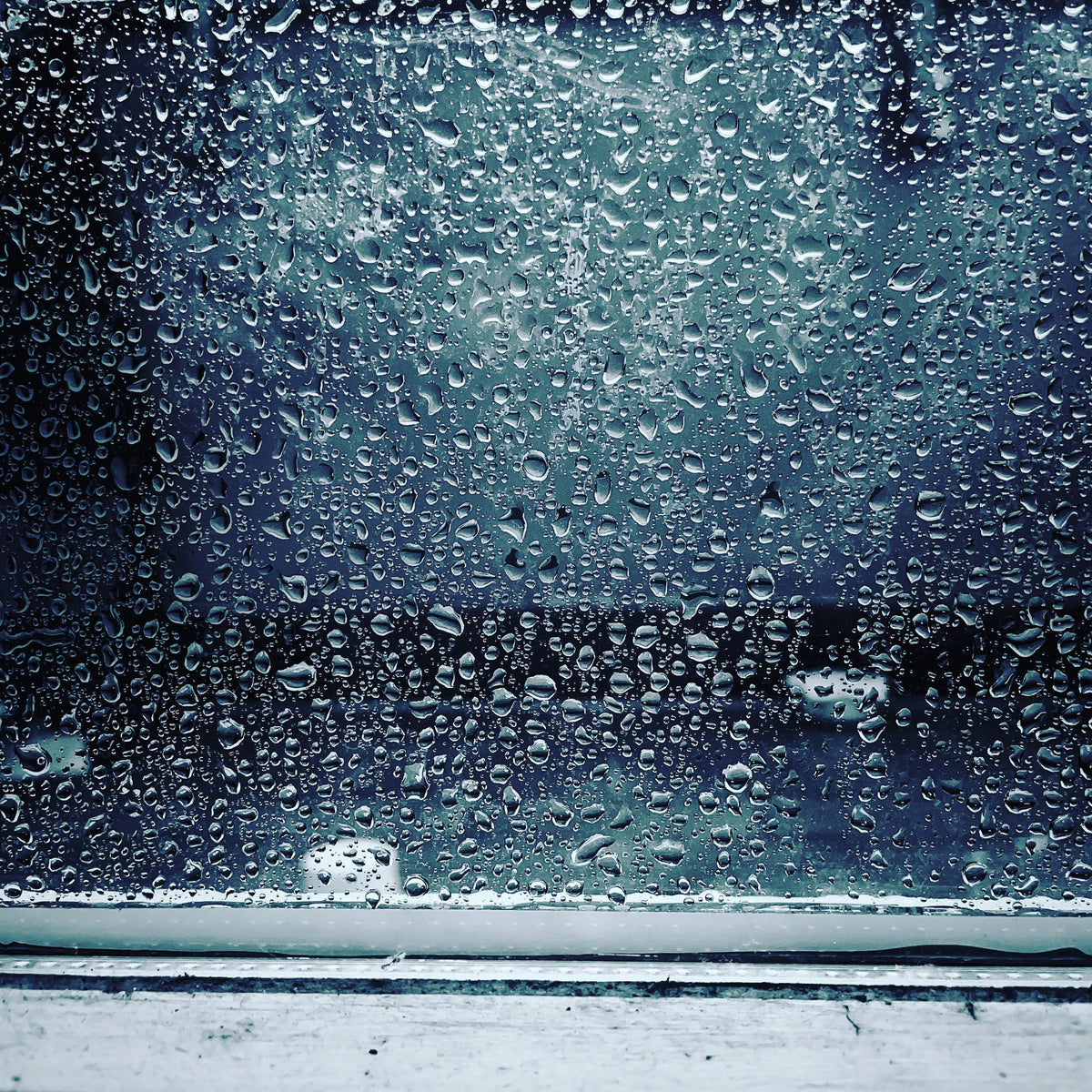
Have you ever noticed that your home smells a little musty after a few days of rain?
That damp, stale or “old house” smell can seem to appear out of nowhere. You might clean the house, open the windows and even use air fresheners, but the smell keeps coming back.
The problem may not be your cleaning routine. Rain can increase moisture levels in and around your home, creating the perfect conditions for musty odours, condensation and mould to develop.
Here’s why it happens and what you can do about it.
Why Does Rain Make Your House Smell Musty?

Rain itself doesn't necessarily cause a musty smell. The bigger issue is the increase in moisture that can occur before, during and after wet weather.
When humidity rises, your home can absorb and retain moisture in places you might not immediately notice, including carpets, curtains, furniture, wardrobes, walls and other soft furnishings.
If that moisture doesn't have a chance to escape, it can create a damp environment where musty smells become more noticeable.
1. Humidity levels rise
After periods of rain, the air outside can become much more humid. When that moisture enters your home, indoor humidity can rise too.
Everyday activities such as showering, cooking and drying clothes indoors can add even more moisture to the air.
When humidity stays high for too long, your home can start to feel damp and smell stale.
For most homes, keeping indoor humidity somewhere around 40–60% is a good target for maintaining a comfortable environment.
2. Moisture can get trapped in soft furnishings
Carpets, rugs, curtains, mattresses and upholstered furniture can all absorb moisture.
You may not see any visible water, but moisture trapped inside these materials can contribute to that familiar musty smell.
This is particularly noticeable in rooms that don't get much airflow, such as spare bedrooms, wardrobes, storage areas and enclosed living spaces.
3. Condensation can add even more moisture
Rainy weather can also create conditions where condensation becomes more noticeable.
When warm, humid indoor air comes into contact with cooler surfaces such as windows, walls or tiles, water droplets can form.
If condensation happens regularly, the excess moisture can contribute to damp smells and eventually create conditions where mould can grow.
4. Mould may be developing somewhere you can't see
A musty smell can sometimes be an early warning sign of excess moisture or mould.
Mould doesn't always start somewhere obvious. It can develop behind furniture, around windows, inside wardrobes, underneath carpets or in other areas where moisture and poor ventilation combine.
If the smell continues even after the weather improves, it's worth looking for the source rather than simply trying to cover the smell.
How to Get Rid of a Musty Smell After Rain
The best way to deal with a musty smell is to address the moisture causing it, rather than simply masking the odour.
Improve airflow
Where possible, increase airflow throughout your home.
Open windows and doors when outdoor conditions are suitable, and use exhaust fans when showering or cooking.
However, if the outdoor air is already very humid, opening every window may not always help. In those conditions, you may need another way to remove moisture from the air.
Check for leaks
Rainy weather can reveal problems that aren't obvious during dry conditions.
- Check areas around:
- Windows and doors
- Roofs and ceilings
- Gutters and downpipes
- External walls
- Plumbing
- Damp or discoloured patches
If you notice persistent dampness or water entering your home, it's important to address the underlying building or plumbing issue.
Don't leave wet items sitting around
Wet towels, shoes, umbrellas and clothes can all add moisture to your indoor environment.
Try to dry them properly rather than leaving them in enclosed spaces such as wardrobes or bathrooms.
If you're drying laundry indoors during wet weather, be particularly mindful of the moisture being released into the room.
Keep an eye on condensation
If you regularly find water collecting on your windows, mirrors or other cold surfaces, it could be a sign that your indoor humidity is too high.
A digital humidity monitor can be a simple way to keep track of what's happening inside your home.
Use a dehumidifier to remove excess moisture
If your home regularly becomes damp or musty during wet weather, a dehumidifier can help remove excess moisture directly from the air.
Rather than simply covering the smell with an air freshener, a dehumidifier works by reducing the humidity that can contribute to dampness, condensation and musty odours.
This can be particularly useful in bedrooms, laundries, living areas, bathrooms and other spaces that tend to hold onto moisture.
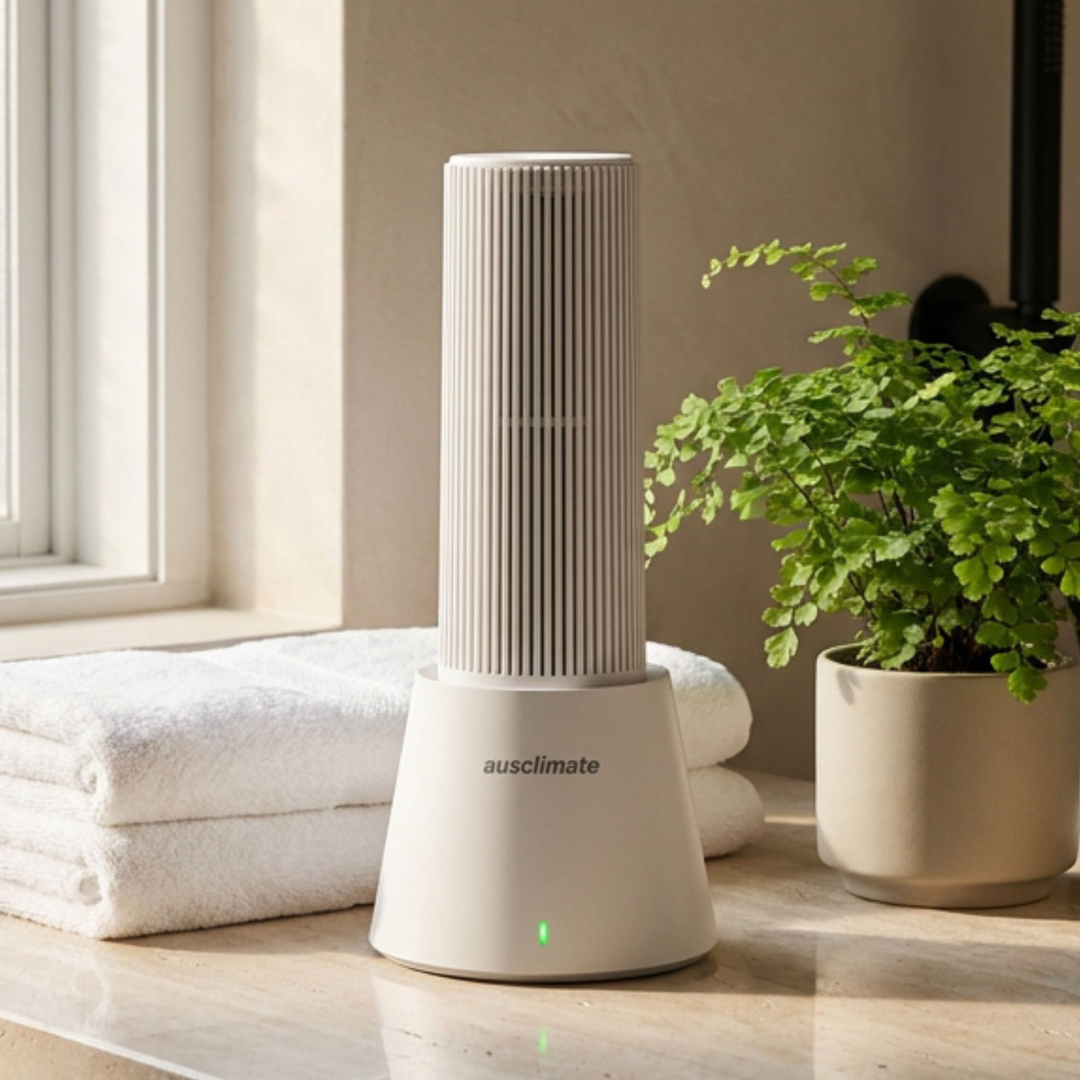
Ausclimate offers a range of dehumidifiers designed for different room sizes and conditions, including models suited to cooler climates.
Here are some of our recommendations:
-
Cool-Seasons 10L Smart Desiccant Dehumidifier
- Compact 12L Smart Dehumidifier
- Large 35L Smart Dehumidifier
- Large+ 45L Smart Dehumidifier
- DryPod Mini Dehumidifier
When Should You Be Concerned About a Musty Smell?
A musty smell that disappears once the weather dries out may simply be a sign that your home has experienced a temporary increase in humidity.
However, if the smell:
- Keeps coming back
- Is strongest in one particular room
- Gets worse after rain
- Is accompanied by visible mould
- Comes with damp walls, carpets or ceilings
- Is accompanied by persistent condensation
…it’s worth investigating further.
The smell could be pointing to an ongoing moisture problem, a leak or mould developing somewhere in your home.
Keep Your Home Fresh After Rain
A rainy week doesn't have to mean a damp, musty-smelling home.
Good ventilation, keeping wet items under control and monitoring indoor humidity can all help. If your home regularly struggles with excess moisture, a dehumidifier can provide an additional way to keep humidity levels under control.
The key is to deal with the moisture behind the smell, rather than simply masking the odour.
Once you control the moisture, your home can feel fresher, more comfortable and easier to keep dry even when it's wet outside.

Leave a comment
This site is protected by hCaptcha and the hCaptcha Privacy Policy and Terms of Service apply.