
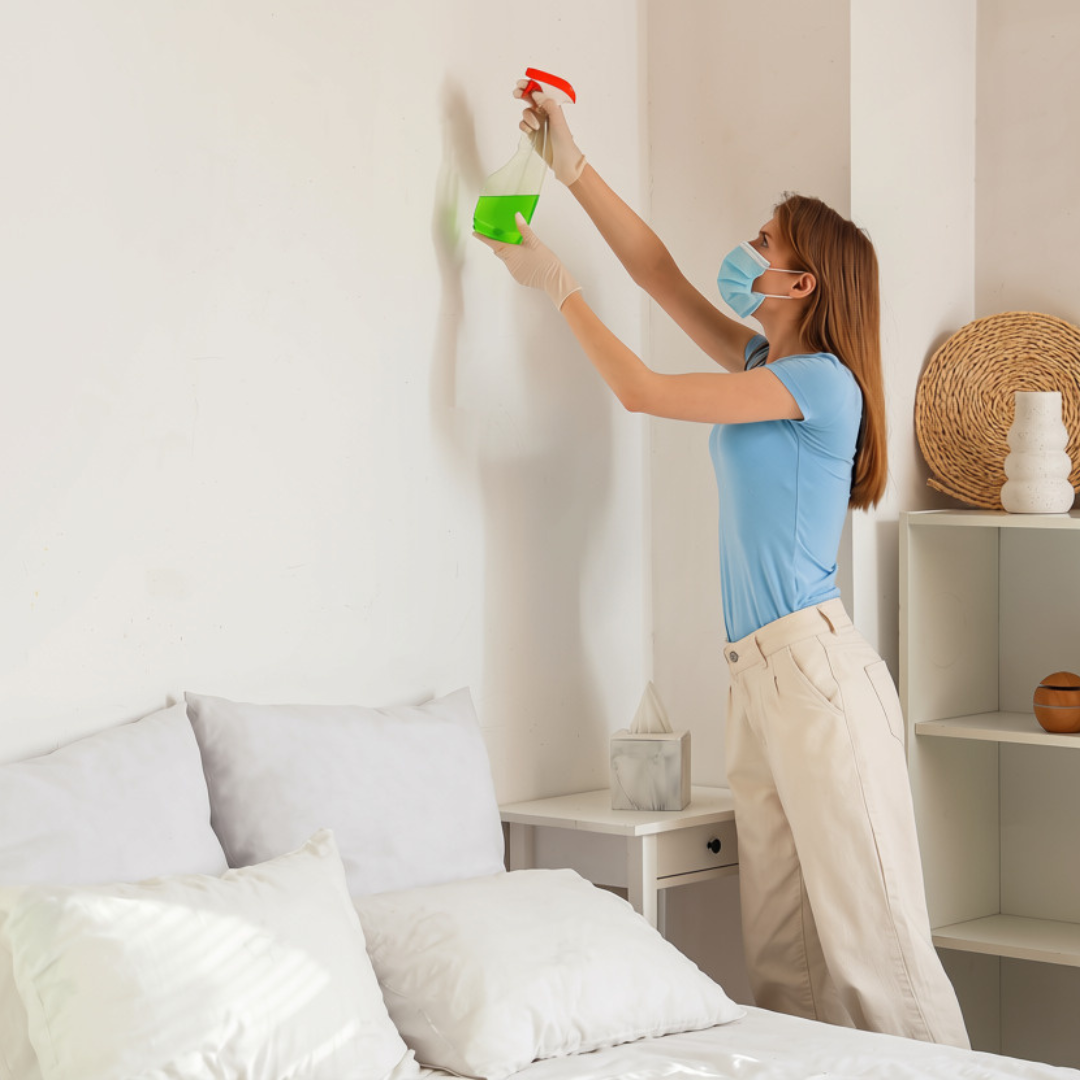
Spring is often associated with warmer days, fresh air and a good spring clean. But as temperatures start to change, your home can also experience changes in humidity and moisture.
For some Australian homes, spring can mean more condensation, dampness and an increased risk of mould particularly when rainy weather, fluctuating temperatures and everyday household activities all add moisture to the indoor environment.
So, why can moisture become a problem in spring, and what can you do to help keep your home dry?
Why Can Spring Increase Moisture Indoors?
Spring weather can be unpredictable. Warm days can be followed by cool nights, while periods of rain can push outdoor humidity higher.
These changing conditions can affect the moisture levels inside your home.
1. Spring weather can bring higher humidity
Rainy and humid weather can increase the amount of moisture in the air around your home.
When outdoor air is humid, opening windows and doors doesn't necessarily make your indoor environment drier. Depending on the conditions outside, it can actually introduce more moisture into your home.
This can be particularly noticeable after periods of rain.
If indoor humidity remains high for extended periods, your home may start to feel damp or develop that familiar musty smell.
2. Temperature changes can cause condensation
Spring can bring bigger temperature differences between day and night.
When warm, moisture-filled air comes into contact with cooler surfaces such as windows, walls and tiles, condensation can form.
You may notice small droplets of water appearing on windows in the morning, particularly in bedrooms and bathrooms.
While occasional condensation isn't necessarily a major concern, regular or excessive condensation can contribute to a damp environment.
3. Spring rain can keep your home damp
Spring showers can bring plenty of moisture into and around your home.
Wet shoes, umbrellas, coats and clothes can all introduce additional moisture indoors. If they're left in enclosed areas such as hallways, wardrobes or laundries, that moisture can build up.
Rain can also highlight existing moisture problems, such as leaks around windows, doors, roofs or plumbing.
If you notice damp patches or water entering your home after rain, it's important to investigate the underlying cause.
4. Drying clothes indoors adds moisture
Spring weather doesn't always cooperate with laundry day.
When it's raining or particularly humid outside, you may find yourself drying clothes indoors more often.
But wet clothes release moisture into the air as they dry.
Without enough ventilation or moisture control, regularly drying laundry indoors can increase indoor humidity and contribute to condensation and dampness.
A laundry room or bathroom can be particularly vulnerable because these spaces already tend to have higher moisture levels.
How Can Moisture Lead to Mould?
Mould thrives in damp environments.
When moisture remains in the air or becomes trapped in materials such as carpets, walls, curtains and furniture, it can create conditions that encourage mould growth.
Mould can appear in obvious places, such as around windows or in bathrooms, but it can also develop in less visible areas.
- Keep an eye on places such as:
- Behind large pieces of furniture
- Around windows and window frames
- Inside wardrobes
- Behind curtains
- Around bathroom ceilings and walls
- Under sinks
- In poorly ventilated rooms
- Around areas affected by leaks
A persistent musty smell can also be a reason to investigate further.
Signs Your Home May Have Too Much Moisture
Not sure whether humidity is becoming a problem?
Look for some of these common signs:
Condensation on windows
Regular water droplets or fogging on windows can indicate higher indoor humidity.
Musty smells
A damp or earthy smell that keeps returning may indicate excess moisture.
Visible mould
Mould spots around windows, walls, ceilings or furniture can be a sign that moisture levels need attention.
Damp-feeling rooms
Some rooms may feel noticeably humid, sticky or uncomfortable even when the temperature isn't particularly high.
Laundry taking longer to dry
If clothes regularly take a long time to dry indoors, the surrounding air may already be holding a significant amount of moisture.
How to Reduce Moisture in Your Home This Spring
The good news is that a few simple habits can help you manage moisture as the seasons change.
Improve ventilation when conditions are right
Opening windows and doors can help improve airflow when outdoor conditions are suitable.
Use exhaust fans when showering and cooking, and allow bathrooms and laundries to air out after use.
However, if it's raining or particularly humid outside, opening windows may not always be the best way to reduce indoor moisture.
Avoid drying wet items in enclosed spaces
Try to dry wet coats, shoes and umbrellas in well-ventilated areas.
If you're drying laundry indoors, give it as much airflow as possible and avoid placing a large load of wet clothes in a small, closed room.
Check for leaks
Spring is a good time to inspect areas that may be affected by rain.
Check around windows, doors, ceilings, roofs and plumbing for signs of leaks or water damage.
Fixing the source of unwanted moisture is always an important first step.
Monitor your indoor humidity
A humidity monitor can help you understand what's actually happening inside your home.
For many homes, keeping relative humidity around 40–60% can provide a comfortable indoor environment. If your humidity regularly sits above this range, it may be worth taking additional steps to reduce excess moisture.
Use a dehumidifier when needed
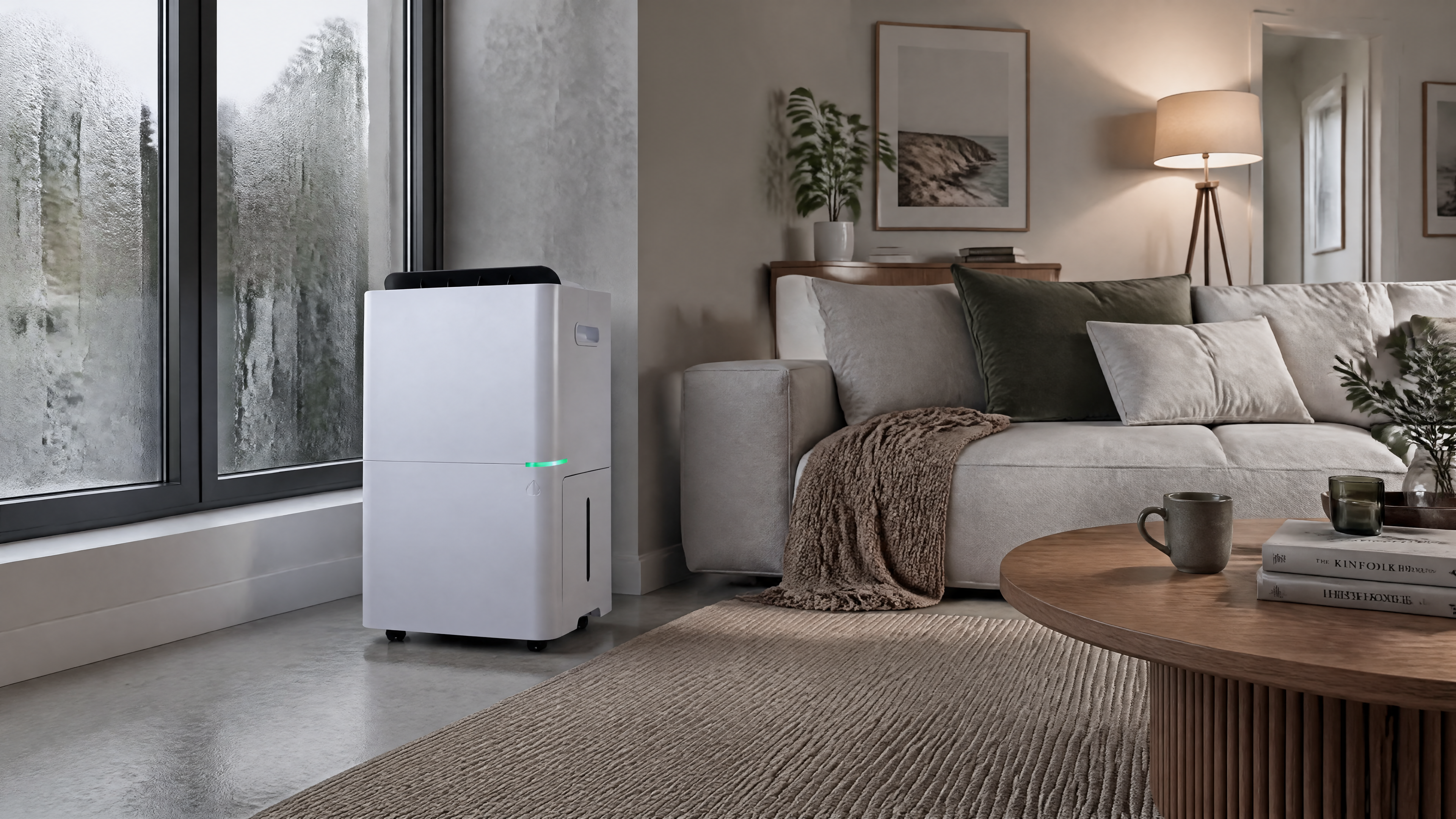
If your home regularly experiences high humidity, condensation or dampness, a dehumidifier can help remove excess moisture from the air.
This can be particularly useful during periods of wet weather, when outdoor humidity is high and ventilation alone isn't enough.
A dehumidifier can also be useful for rooms that naturally experience more moisture, such as bedrooms, laundries, bathrooms and living areas.
Don't Forget About Your Home After Spring Cleaning
Spring cleaning is a great opportunity to look for signs of moisture that may have developed over the cooler months.
When you're cleaning, take a few extra minutes to check:
- Behind furniture
- Inside wardrobes
- Around windows
- Under rugs and furniture
- Behind curtains
- Inside bathrooms and laundries
Moving furniture and cleaning less visible areas can help you spot early signs of dampness or mould before they become a bigger problem.
Keep Your Home Dry This Spring
Spring can bring plenty of positive changes to your home, but fluctuating temperatures, rain and increased indoor moisture can also create the right conditions for dampness and mould.
The key is to keep an eye on humidity and deal with excess moisture early.
Good ventilation, sensible laundry habits, checking for leaks and monitoring indoor humidity can all help. And when your home needs additional moisture control, a dehumidifier can help remove excess water from the air.
By staying on top of moisture as the seasons change, you can help keep your home feeling fresh, comfortable and dry throughout spring.

Leave a comment
This site is protected by hCaptcha and the hCaptcha Privacy Policy and Terms of Service apply.